A legacy in standards
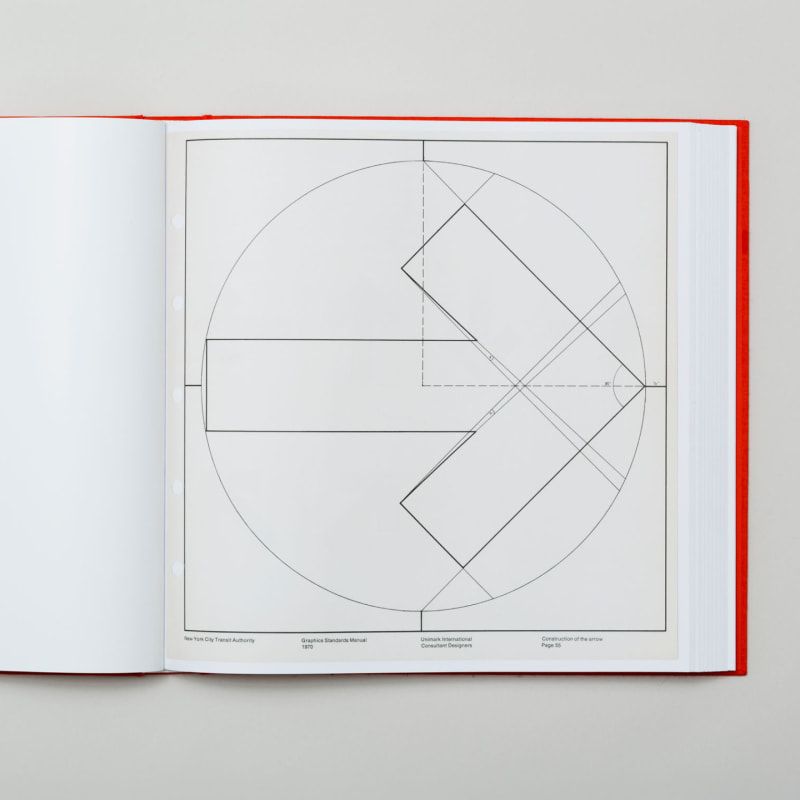
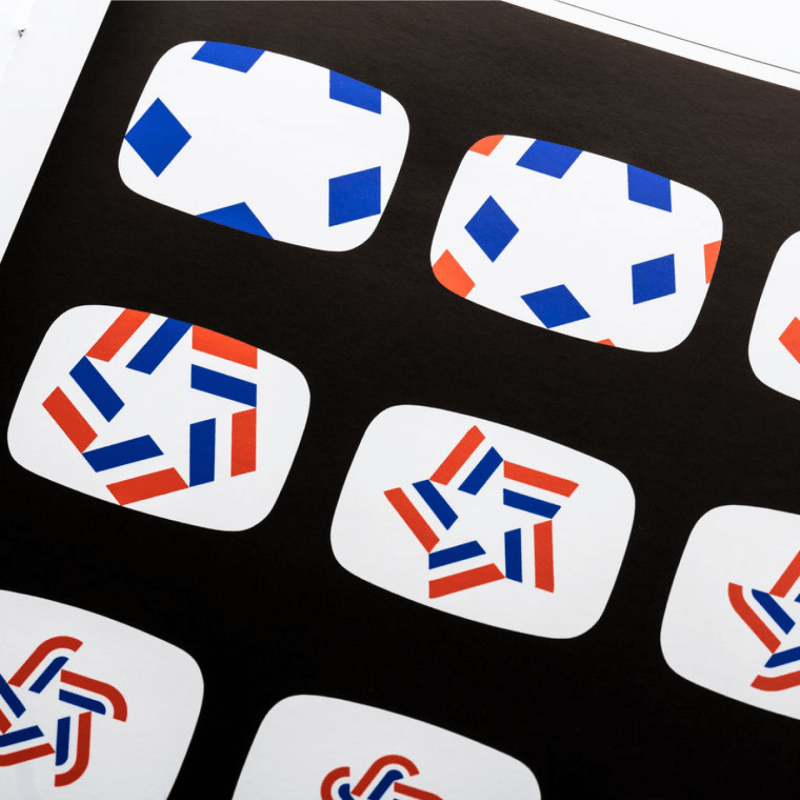
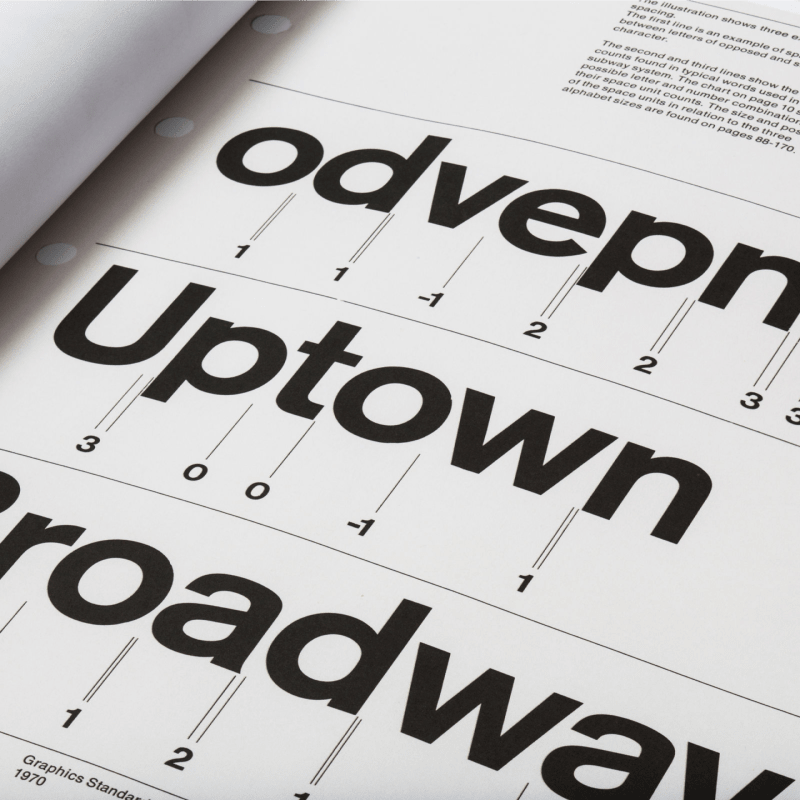
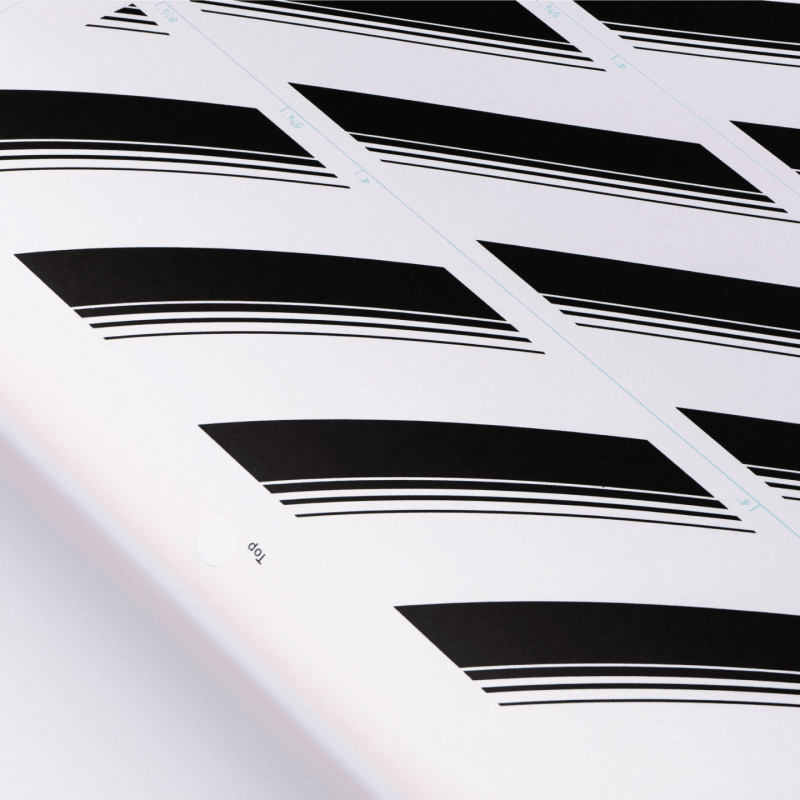
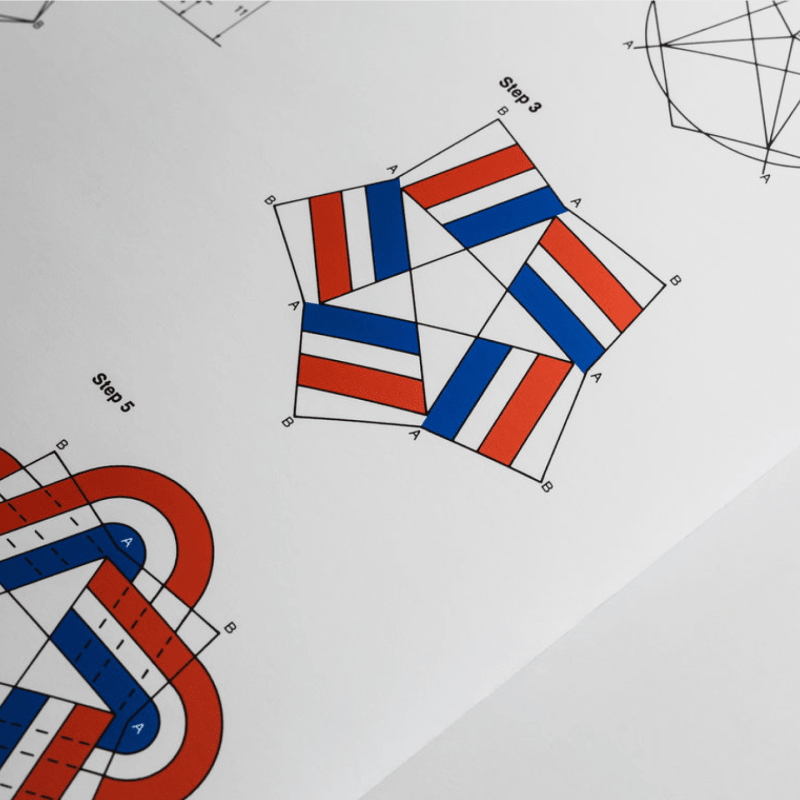
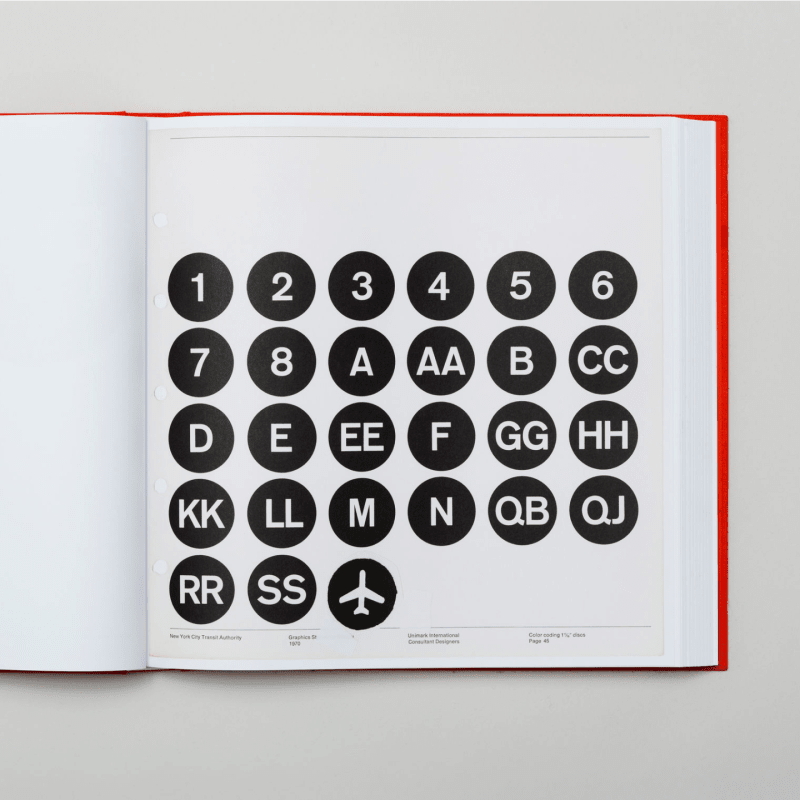
In 2014, Pentagram designers Hamish Smyth and Jesse Reed launched their groundbreaking Kickstarter campaign to reissue the 1970s NYCTA Graphics Standards Manual as a hardcover book. It became an overnight sensation, and propelled a niche design community into the mainstream.
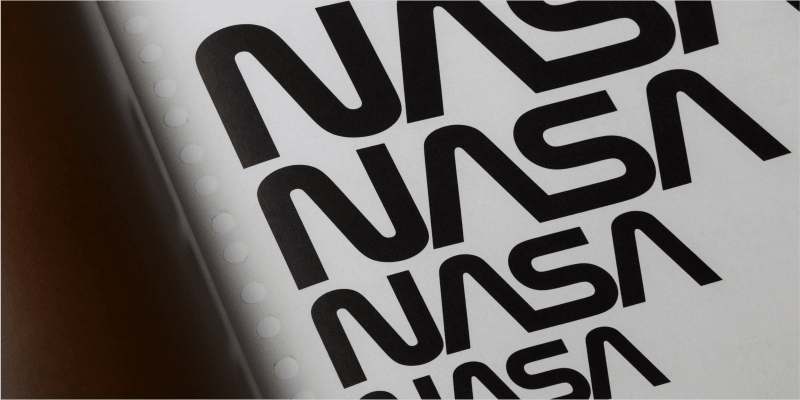
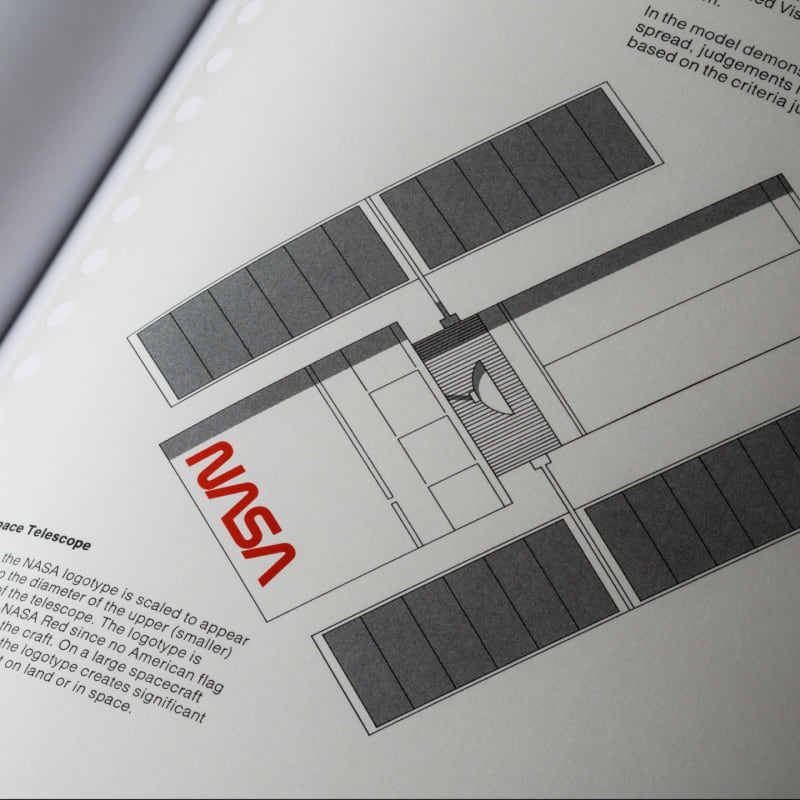
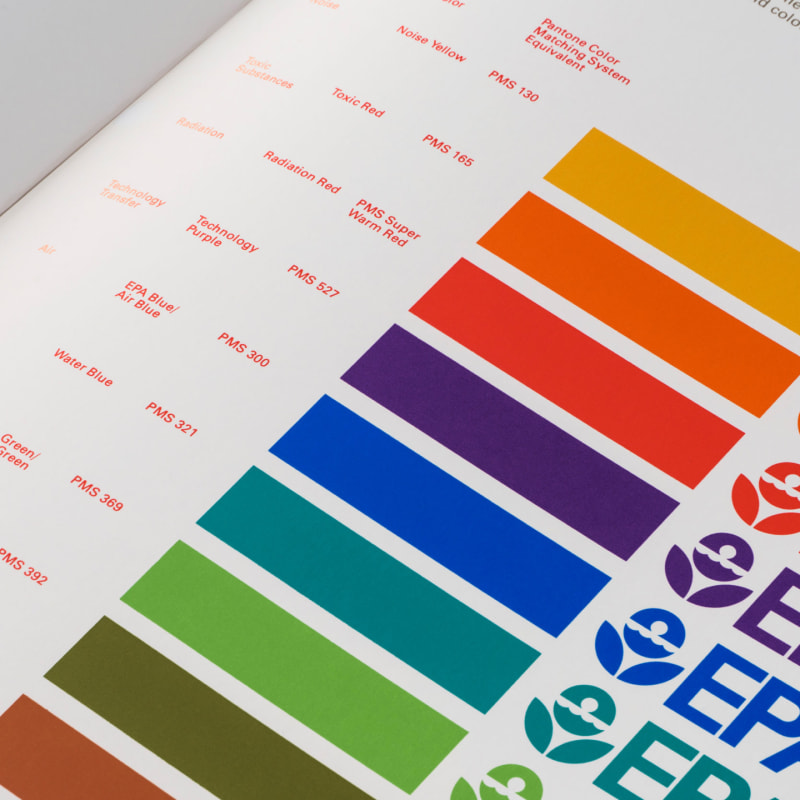
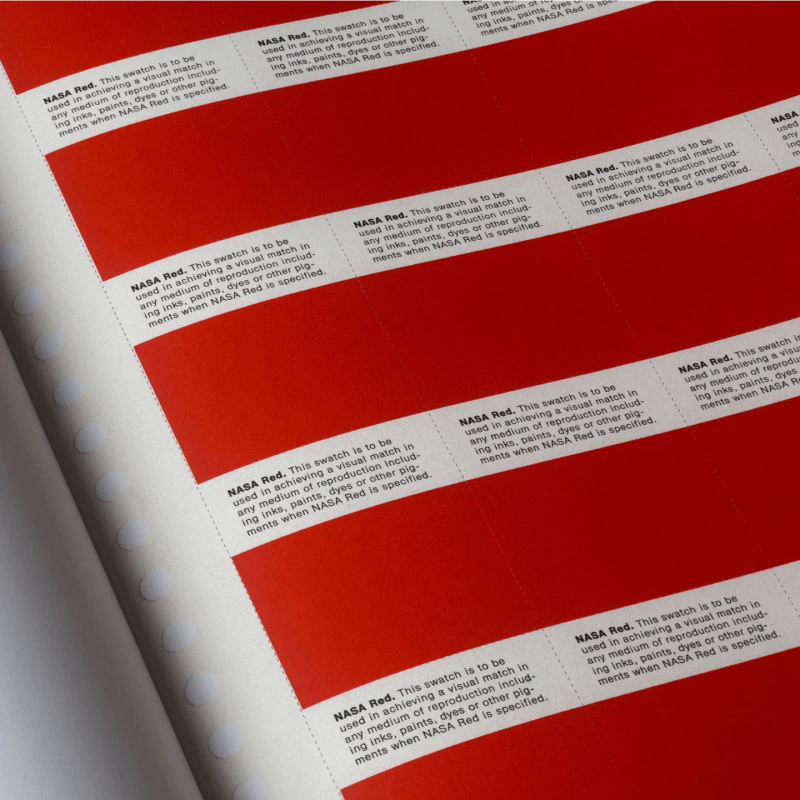
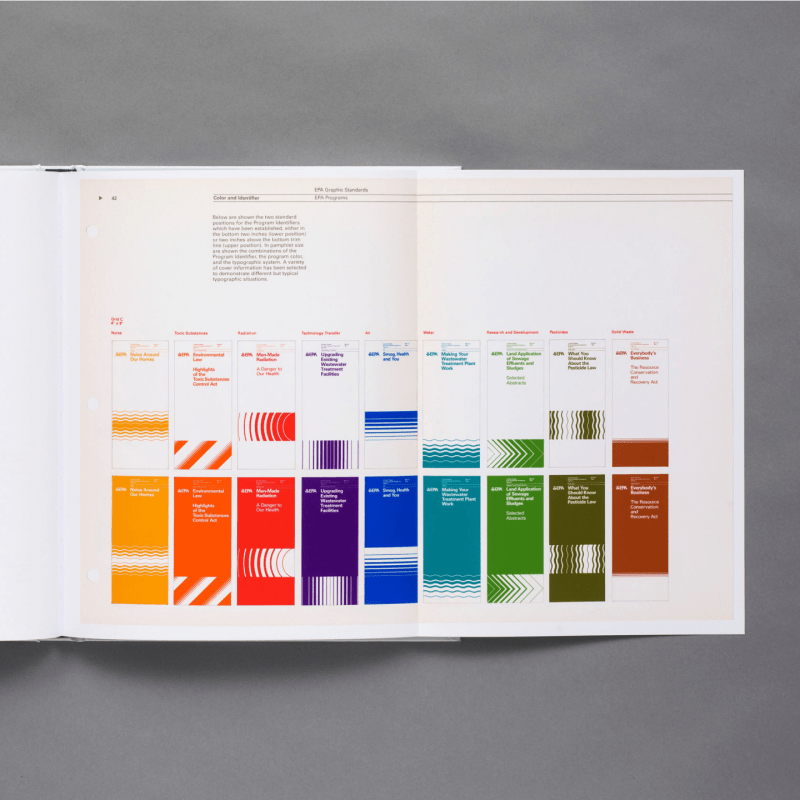
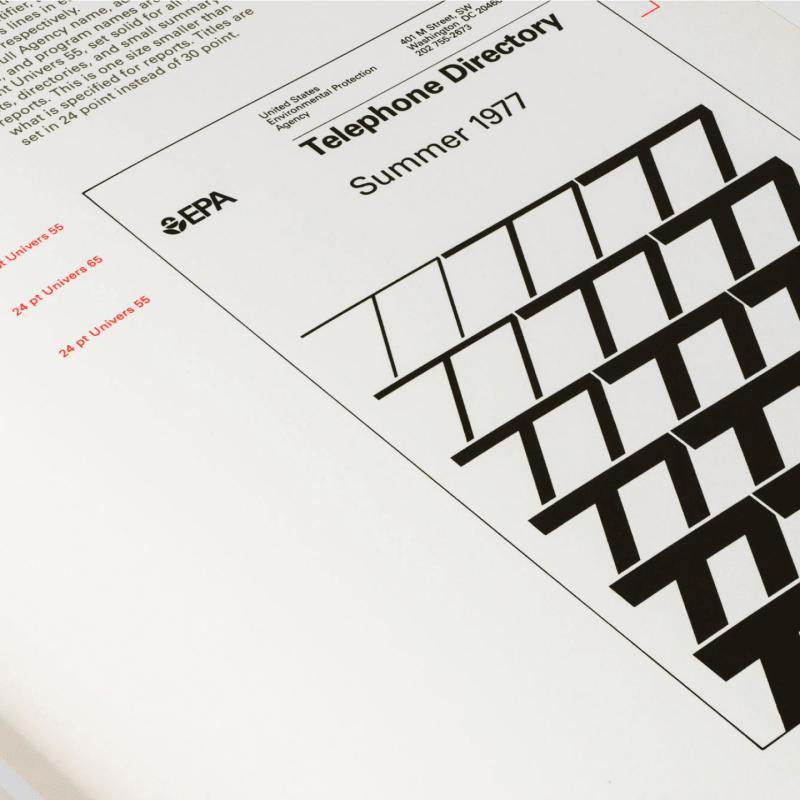
Since then, the team launched a successful independent publishing imprint, Standards Manual, reissued the style guides for NASA, the EPA, and DC Comics, and the NYCTA reprint (plus dozens more) and sold hundreds of thousands of copies just across these four titles alone. They’ve catapulted the indelible appeal of these understated graphic relics and their impact far beyond niche design communities—into the lifestyle, fashion, culture, and business spheres.
It’s from this legacy that the idea for Standards emerged.

New York City Transit Authority
Graphics Standards Manual
1970

Coca-Cola
Brand Identification Manuals
1969-1979

National Aeronautics and Space Administration
Graphics Standards Manual
1975

American Revolution Bicentennial
Guidelines for Authorized Usage
1976

U.S. Environmental Protection Agency
Graphics Standards System
1977

DC Comics
Style Guide
1982-1985
New York City Transit Authority
Graphics Standards Manual
1970
Coca-Cola
Brand Identification Manuals
1969-1979
National Aeronautics and Space Administration
Graphics Standards Manual
1975
American Revolution Bicentennial
Guidelines for Authorized Usage
1976
U.S. Environmental Protection Agency
Graphics Standards System
1977
DC Comics
Style Guide
1982-1985
New York City Transit Authority
Graphics Standards Manual
1970
Coca-Cola
Brand Identification Manuals
1969-1979
National Aeronautics and Space Administration
Graphics Standards Manual
1975
American Revolution Bicentennial
Guidelines for Authorized Usage
1976
U.S. Environmental Protection Agency
Graphics Standards System
1977
DC Comics
Style Guide
1982-1985
Standards unites Standards Manuals’ deep knowledge of historical design systems with the expertise of Brooklyn-based Order and Seattle-based Shore

For decades, designers have created and shared guidelines through PDFs. While a PDF gives a high degree of design control, the format no longer meets the evolving needs of modern brands that require functionality like video, downloadable assets, team collaboration, and a more dynamic updating experience.
Until now, the only way to build guidelines online—with the design control limited to the capabilities of a PDF—was to build a bespoke website. PDFs themselves once represented the groundbreaking innovation—disrupting decades of the final design deliverable being shared as a custom book or binder system.
Today, Standards offers an unparalleled way to build guidelines online with the level of precision and control we demand in our work, all in a simple online tool built for designers, by designers.
Design is only as strong as the deliverable
Good brands are good for business. In the design industry, brand guidelines are the most important, final deliverable for most branding projects that summarize all the decisions into a singular unified identity system, often defining the brand’s value.
When you consider the resources involved in large-scale rebrands, it’s puzzling that the tools to create the final client-facing output have not changed in more than 30 years.
When we first launched our idea for Standards in 2020, over 20,000 people signed up. There was clearly a desire for change. We surveyed thousands of design professionals and found that over 80% were using PDF guidelines, and many hadn’t considered online guidelines at all. Others had tried existing online guidelines tools, but were disappointed.
While others have tried to fix this problem, we believe we’ve built the best solution—by creating a tailor-made tool for such an important aspect of the design industry
Informed by the evolving needs of today’s brand designers, and inspired by the pioneers before us, we work to ensure all brand guidelines built on Standards are both beautiful and practical. What began as a simple goal—to create better tools for designing and delivering brand guidelines—has led to a larger purpose. We want to empower our industry, and bring all brands into the future through accessible, contemporary design documentation.
By removing common pain points for brand designers, work becomes easier, and the output gets better. The result: modern, beautifully-crafted guidelines that showcase the unique personality of every brand, promoting consistency, recognition, and value worldwide.
Join the world’s biggest brands on Standards
Try free
Press
Abduzeedo
Standards Launches New Site And Is Quietly Building the Internet’s Brand Backbone
FastCo Design
This new tool fixes one of design’s most pain-in-the-ass tasks
Creative Boom
The best from the past… built for design today
It’s Nice That
This new tool fixes one of design’s most pain-in-the-ass tasks
The Creative Factor
Turn a project that might take 1-2 days into one that takes 1-2 hours
Design Week
Standards Manual wants to change how brand guidelines are designed
Creative Review
Say goodbye to useless brand guidelines
Press inquiries
[email protected]
Contact
Build your next guideline in Standards
Try free